Can You Listen and Hear What I Say? A Tale of Three Countries
- Marsha McAdam
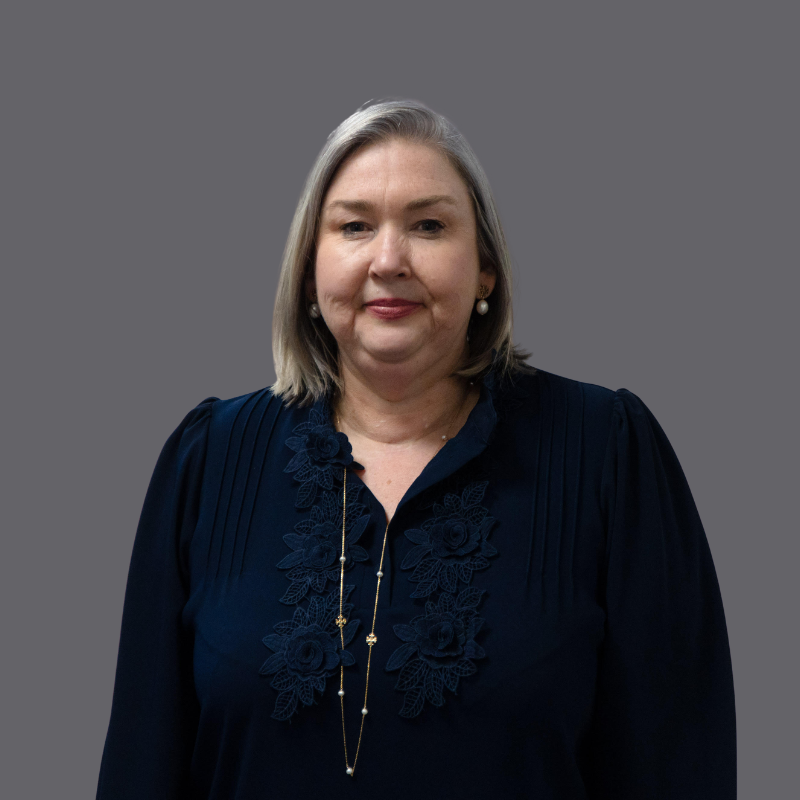
- May 5
- 4 min read
In 2023, I was awarded a Churchill Fellowship to undertake international research into suicide prevention, intervention, and postvention for young people with borderline personality disorder (BPD).
Today as part of International Borderline Personality Disorder Awareness Month, I am delighted to share my report, Can You Listen and Hear What I Say?: A Tale of Three Countries.

As someone who identifies as having had borderline personality disorder (BPD) and a survivor of a near fatal overdose in 2008, my Churchill Fellowship research is deeply personal. I often wonder how different my life might have been if “younger Marsha” had received the kind of early intervention I later benefited from. That question has driven my research and shaped every step of this journey.
Motivated by lived experience and by a growing concern about rising emotional distress, suicide risk, and the lack of coordinated support for young people with emerging personality difficulties, I travelled to Australia and the United States to explore world-leading approaches to early detection and intervention.
International evidence demonstrates the value of coordinated, developmentally appropriate and evidence-based approaches. Yet, despite the growing recognition of BPD as a serious but treatable condition, many young people with emerging symptoms face considerable delays in receiving help.
It is important to point out that BPD is a valid, reliably diagnosed, common, and treatable mental health condition. Given that it ranks third in the Global Burden of Disease for mental health disorders, it should be a public health priority!
In the UK, the shift from using BPD or emotionally unstable personality disorder (EUPD) to “complex emotional needs” (CEN) was intended to reduce stigma. While well-meaning, this change has caused confusion, particularly among individuals who identify with the BPD label and have found it validating. But there are also those who are anti the construct of BPD/EUPD/CEN label which I completely understand as often people are let down, excluded from services or in some cases sadly die by suicide.
Changing attitudes requires more than changes in terminology. It demands a systemic shift in clinical culture. Mental health professionals may, often unintentionally, perpetuate stigma through language, assumptions, and service design.
A cultural transformation is needed to ensure young people with “complex emotional needs” receive the care they deserve, delivered with compassion and hope.
I visited Orygen n in Melbourne, internationally recognised as a centre of excellence in youth mental health, with a focus on individuals aged 12 to 25. Orygen is also home to the Helping Young People Early (HYPE) programme. And was where I spent 3 weeks with Professor Andrew Chanen , Chief of Clinical Practice and Head of the Helping Young People Early (HYPE) programme.
A big part of my trip to the US was spending time at the University of Houston’s Adolescent Diagnosis Assessment Prevention Treatment clinic (UH-ADAPT), at Professor Sharp Carla lab where I observed systems built on developmental science, mentalization-based interventions, and compassionate, relational care.
My foreword is from Professor Peter Fonagy
I have written my report as a travel vlog of sorts, I include conversations with people living with BPD, their caregivers, clinicians, researchers, and students. Their stories highlight that real progress happens when we come together with honesty, courage, and shared purpose. These voices offer powerful evidence that early, relational care can change lives.
Michaela Swales , Mark Dangerfield , Dr Holly Dwyer Hall, Åse-Line Baltzersen , Rita Brown OAM , Paula Tusiani-Eng, LMSW, M.Div. , Katie Nicol BPD Alliance | Borderline Personality Disorder Kennedy Balzen, M.A., L.P.A. Tess Gecha Lois W. Choi-Kain, M.D. M.Ed. D.F.A.P.A. International Society for the Study of Personality Disorders ESSPD │ European Society for the Study of Personality Disorders Spectrum: Personality Disorder and Complex Trauma Brin Grenyer Australian BPD Foundation Emotions Matter, Inc. amongst others who have given me permission to the privilege to share their work in the area of early detection and early intervention and suicide prevention for young people with BPD.
Based on my findings, this report makes two key recommendations for national action:
Develop a cross-government strategy for early detection and prevention, strengthening youth suicide prevention, embedding developmental mental health systems, and relational safeguarding across education, health, social care, criminal justice, the Armed Forces, and community services. This strategy could either be embedded within the proposed Major Conditions Strategy framework (MCSF) for Serious Mental Illness (SMI), where it would ensure specific focus on early-stage and developmental trajectories, or be developed as a standalone initiative. This strategy should be co-designed and co-produced with people with lived and living experience and anchored in universal settings such as schools and family hubs.
Update the NICE Guideline (CG78) on borderline/emotionally unstable personality disorder, which was published in 2009 and last reviewed in 2024. It should be revised to reflect ICD-11, the DSM-5 Alternative Model for Personality Disorders (AMPD), and contemporary developmental evidence, including use of the Level of Personality Functioning (LPF).
By learning from international best practice and by placing lived and living experience at the heart of service design, the UK has the opportunity to build kinder, earlier, and more effective systems of support. Systems that offer young people and carers, supporters, and kin (families) the stability, understanding, and hope they deserve.
My hope is that the insights in this report demonstrate one central truth: when young people are met early, consistently, and with authentic human connection, their lives can take a very different path.
This has been evidenced again and again: through over three decades of internationally recognised work, including the efforts of the Global Alliance for Prevention and Early Intervention for Personality Disorder (GAP). We owe it to the next generation to act on that knowledge.
Over the coming days I will be posting short snippets of my report in the hope that it will be of interest. Thank you for reading this and for my recommendations to work I will need your help in making it possible.
